2025 was the first year of the ReCreateIt Project, and a year of figuring things out.
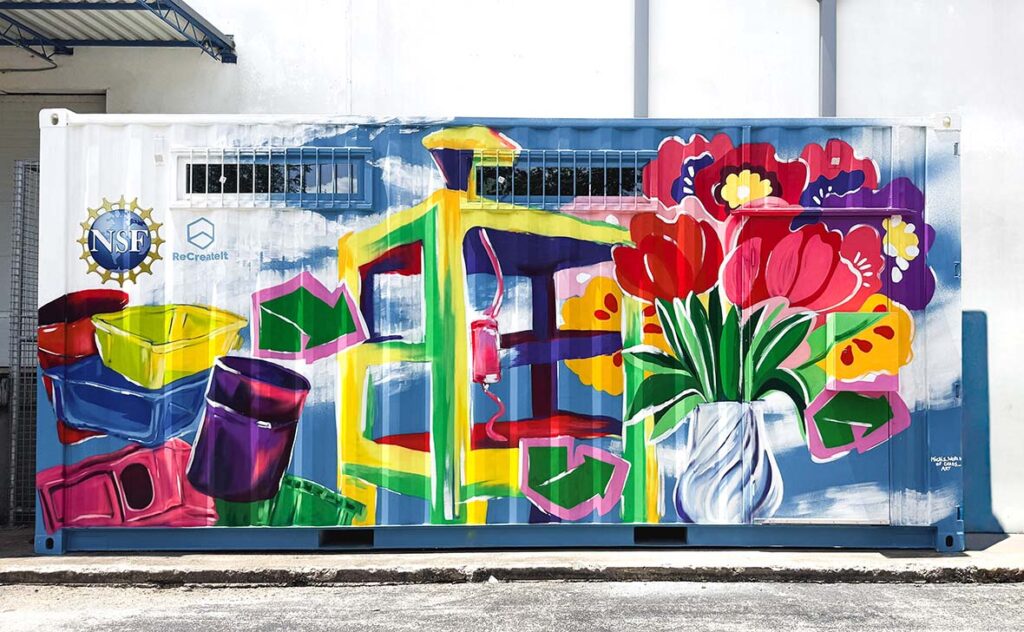
The ReCreateIt Project saw its soft opening on April 11, 2025. Shortly after, in May, the Gigalab got a mural painted by a local artist, bringing energy and identity to the space. Since then, it’s been a full and often unpredictable year. Looking back, we’ve gone through plenty of ups and downs, but more importantly, we’ve learned a lot along the way.
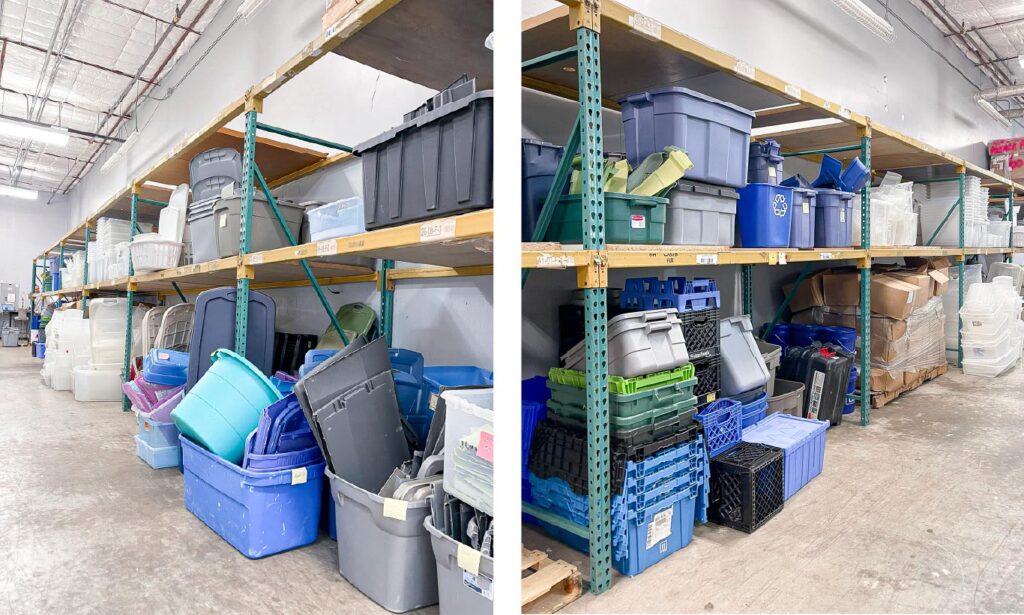
Looking at the statistics, we collected 1,631 kg of plastic over the course of 2025 for the project, completed 378 prints, and achieved a 64% print success rate. If measured by weight, the success rate is closer to 72%.
But we know there is much more beyond what the numbers show, especially the stories behind every failure.
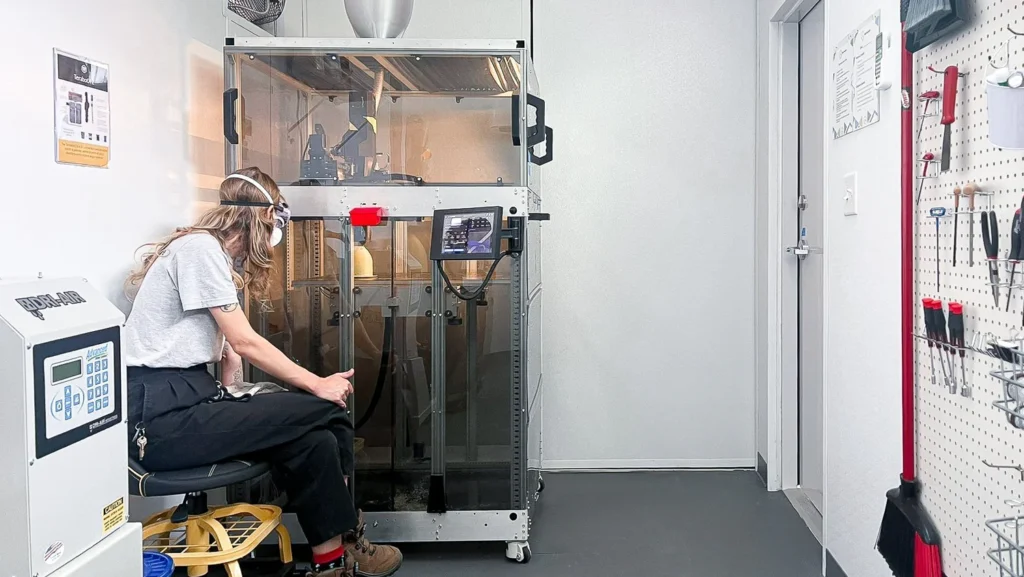
At the beginning stage of the project, our associates were learning CAD software like Onshape from scratch, while at the same time using 3D models provided by our partners to test the capabilities of the Gigalab with plastic waste as the printing material.
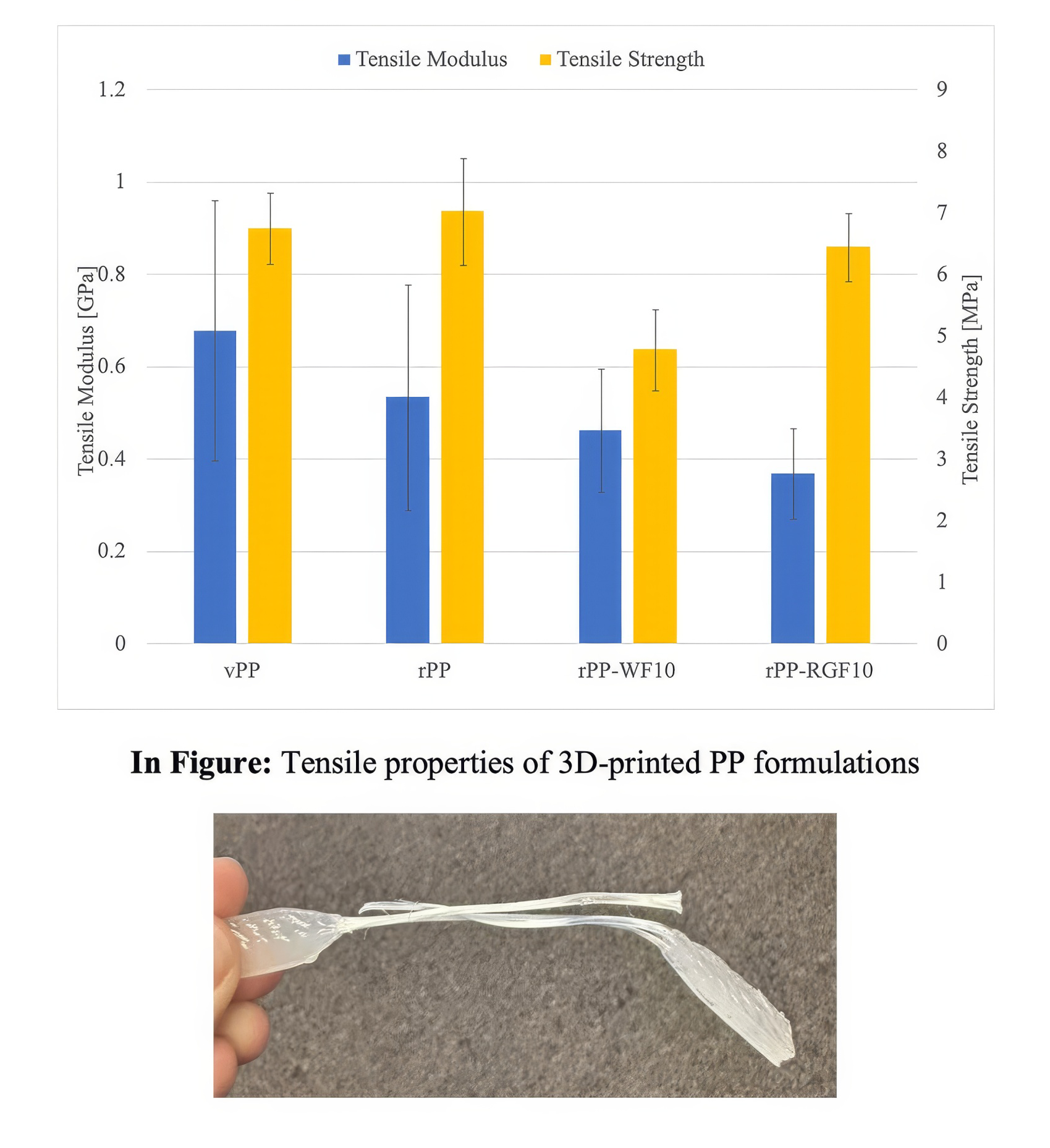
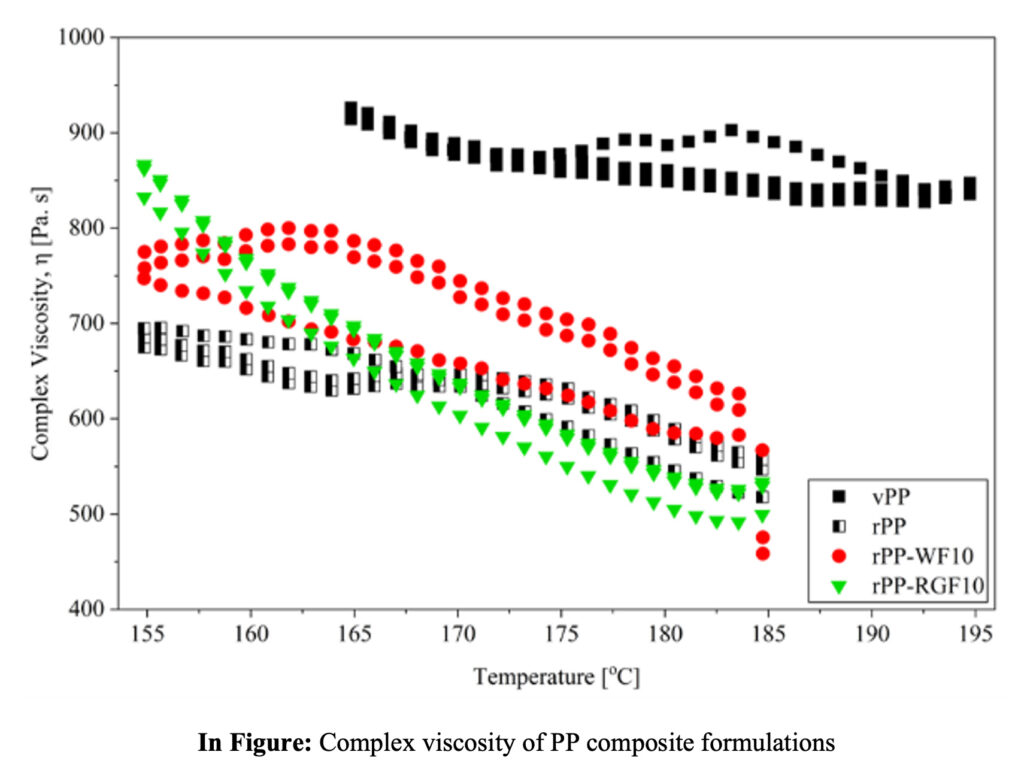
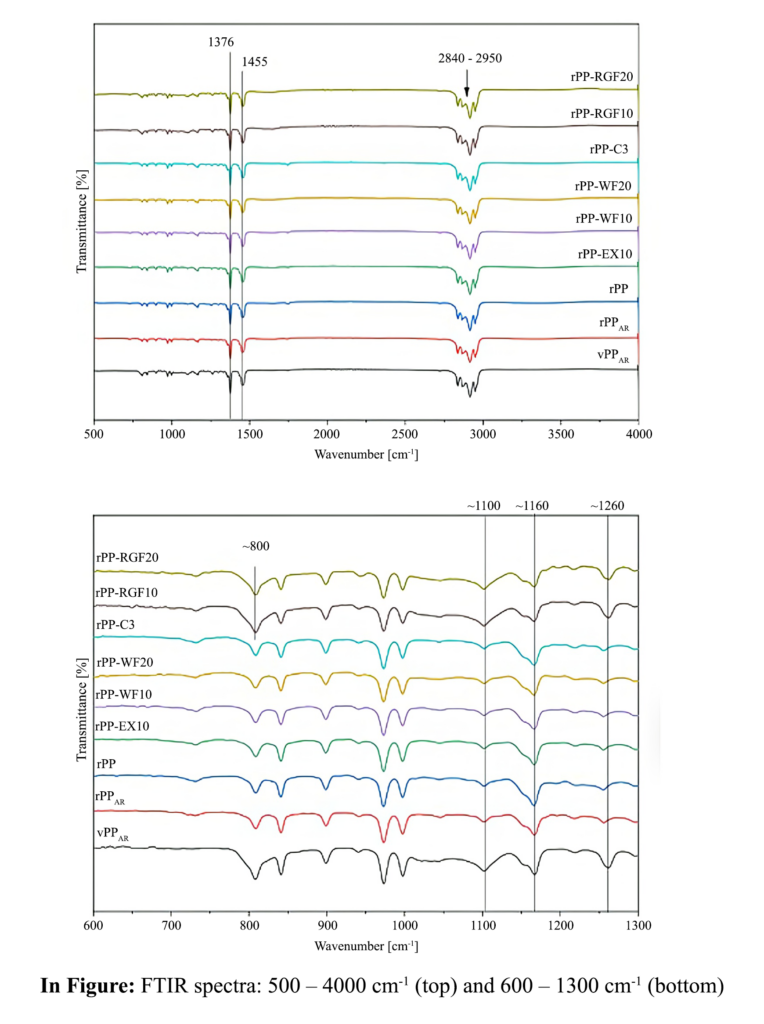
As we progressed and began producing more test prints using our own custom-designed models, we encountered many limitations of the material. Each failure presented a unique challenge, pushing us to find creative solutions while also reminding us of the constraints we were working within.
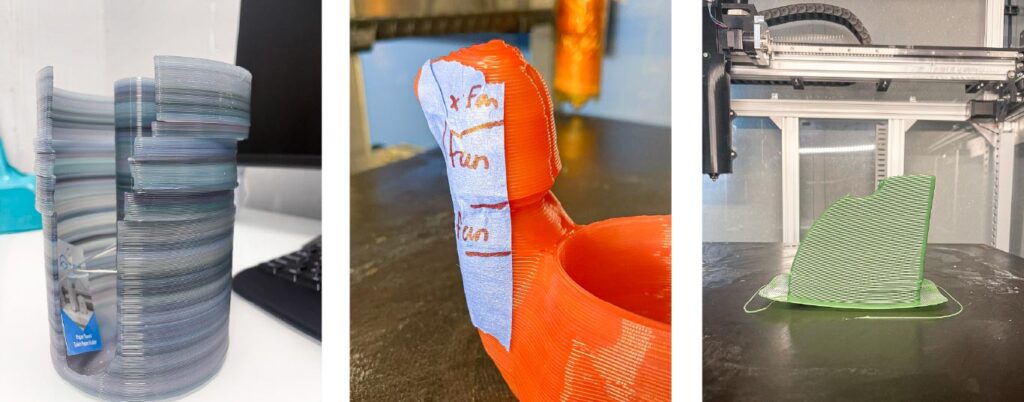
As we gradually learned more about the material’s behavior and its limitations, and gained a better understanding of the overall operation process, we began to modify and refine our products to better adapt. We dropped features that were pushing the material too far and focused on what it could actually handle. At the same time, we started building more organized, step by step ways to handle plastic collection, processing, and printing, slowly smoothing out the details.
One shift that really changed how we approached things was thinking more about practical, everyday use. While most of our products have been vases, planters, and trays, our associate Margaret discovered that we could also use the material to create lampshades for donated lamps at the ReStore that were missing them. This was a strong example of finding a functional and meaningful use for the material. Almost a year later, lampshades still make up a significant portion of our products.
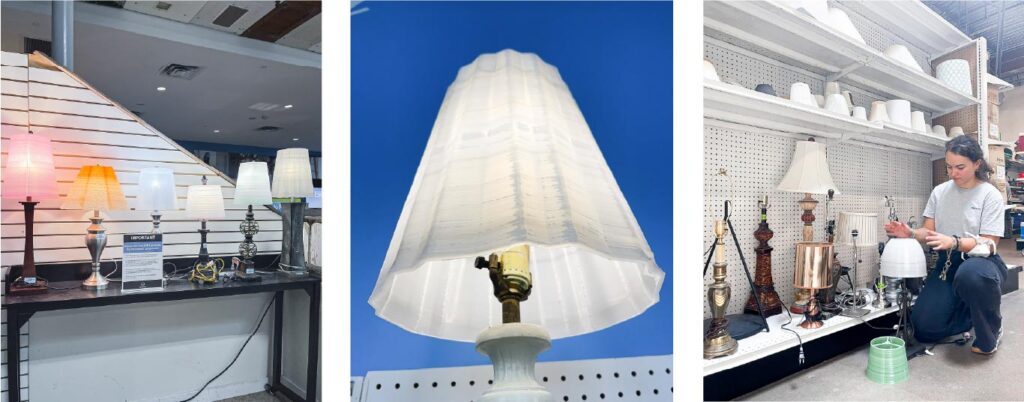
Slowly but surely, we have developed a line of products that are more reliable in quality and can be printed with greater consistency. While trial and error never really stops, our sales have seen a slow but steady rise.
While the production side of the project has been working hard, the marketing team has been doing the same. Over the past year, the team has built a refreshed visual identity for the ReCreateIt brand, developed a website information page and online product listings, and created a new line of signage.
On social media, we expanded from Instagram to LinkedIn, Facebook, and TikTok. With more consistent posting and improved content creation, we’ve seen steady growth in engagement and followers.
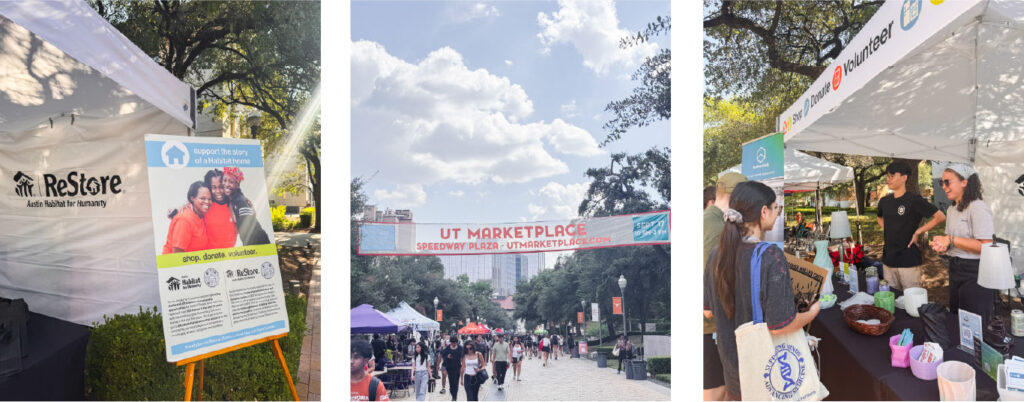
ReCreateIt has also been making efforts to extend its reach, both to seek solutions and to educate more people. In September 2025, we participated in the University of Texas at Austin Marketplace together with ReStore, introducing our work of turning plastic waste into usable products directly to students.
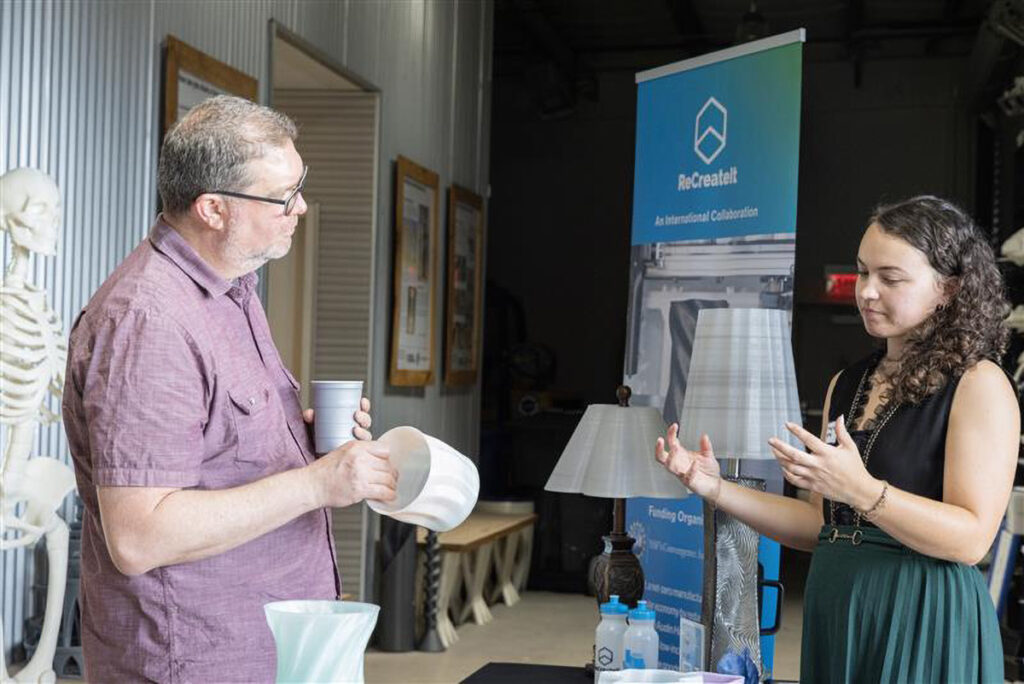
In October, we attended an Austin Sustainability Professionals event held at re:3D. ReCreateIt had the opportunity to be part of an inspiring group of innovators, changemakers, and sustainability advocates, sharing our work and demonstrating how recycled plastic can become functional 3D-printed creations.
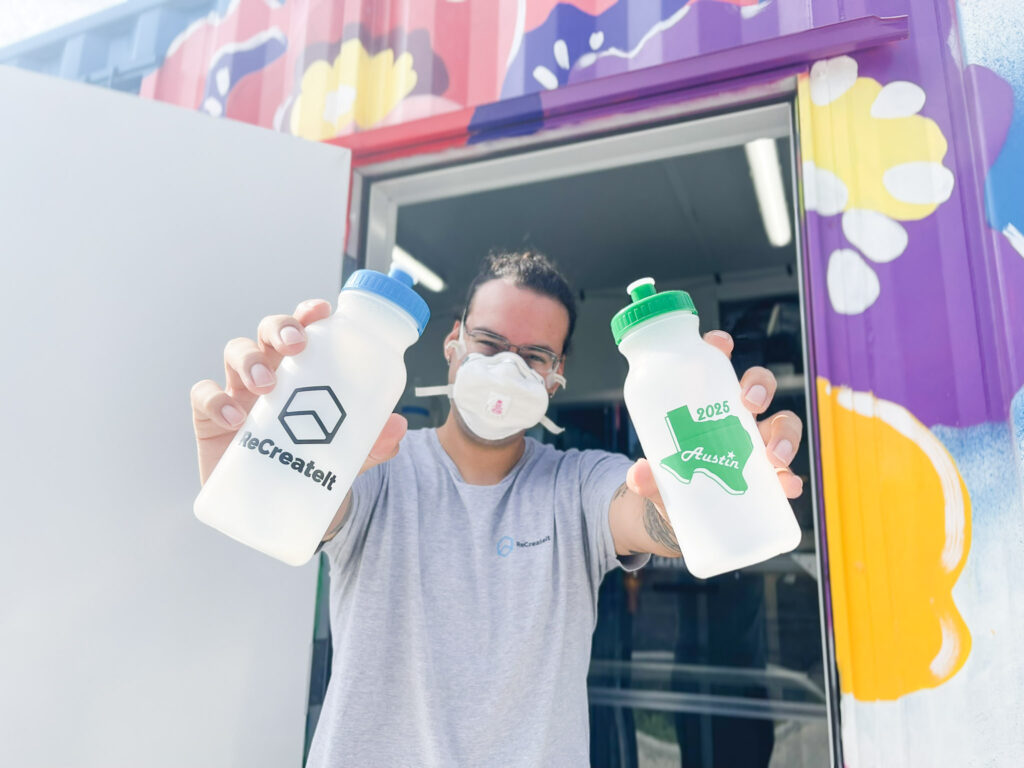
In November, during the Carter Work Project, we sponsored custom-made plastic water bottles for volunteers. This effort aimed to promote our purpose and educate others about our process, while also supporting our research on HDPE material printing. By encouraging volunteers to return the bottles to us for recycling, we were able to granulate the material and send it to our research partners for further experimentation with 3D printing. It was also around this time that we began this blog, using it as a way to document our progress and expand our audience.
Looking back, 2025 wasn’t just about what we made, but what we figured out. What works, what doesn’t, and where the real potential is. We’re still experimenting, still learning, and still improving, but we’re moving forward with a much clearer understanding of what this project can become.
And in 2026, we’re ready to push it further.